

The right street can matter as much as the right house. A detached home that looks perfect on paper can feel wrong if the commute drags, the pace is too quiet, or the local housing stock does not fit your next five years. That is why a Guelph neighbourhood guide for buyers needs to go beyond price brackets and listing photos.
In Guelph, neighbourhood choice often comes down to how you want to live day to day. Some buyers want mature trees, established lots and walkable character. Others want newer homes, family-focused streets and easier access to schools, parks and major routes. There is no single best area. There is only the best fit for your budget, timing and long-term plans.
How to use this Guelph neighbourhood guide for buyers
Start with lifestyle, not just square footage. If you begin by filtering only for bedrooms and price, you can end up comparing homes in areas that serve very different needs. A better approach is to narrow your search by three practical questions: how you commute, how long you expect to stay, and what kind of neighbourhood rhythm feels right.
For example, a first-time buyer may accept a smaller home in a central area if it reduces driving and keeps more of Guelph close at hand. A growing family may put a higher value on newer subdivisions, recreation space and a more predictable resale pool. A downsizer may care less about lot size and more about low-maintenance living near shops, services and familiar routes.
Price still matters, of course, but context matters more than most buyers expect. Two homes at a similar price point can represent very different value depending on lot depth, renovation level, school catchment appeal, traffic patterns and future competition when it is time to sell.
Central Guelph and the older core
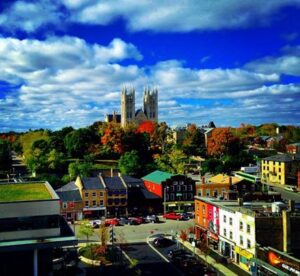
If you are drawn to charm, walkability and established streetscapes, Central Guelph has a lot going for it. This part of the city tends to attract buyers who value character homes, mature trees, older lot patterns and access to the downtown core. You may find everything from renovated century homes to smaller detached properties and townhomes tucked into long-settled streets.
The trade-off is that older homes often come with more variation. One property may be beautifully updated while the next needs major work. Parking, storage, ceiling height, basement condition and electrical upgrades can vary widely. That does not make the area a risk. It means buyers need to look carefully at the real cost of ownership, not just the list price.
For many buyers, that extra scrutiny is worth it. Central locations can offer a stronger sense of place, easier access to restaurants, events and local amenities, and a housing stock that feels less interchangeable than newer developments.
Who tends to suit central areas
These neighbourhoods often work well for buyers who want personality over uniformity. Professionals, couples, first-time buyers willing to compromise on size, and downsizers who still want city energy often see value here. Families buy in central areas too, but they usually need to be more selective about layout, updates and outdoor space.
South Guelph and newer family-oriented communities
South Guelph is often where buyers focus when they want newer homes, planned subdivisions and a family-friendly feel. This area has been popular for good reason. Many neighbourhoods offer more modern layouts, attached garages, larger contemporary kitchens and a street pattern built with newer family living in mind.
Buyers moving from a flat, townhouse or smaller starter home often like the predictability here. You can compare similar house types more easily, and that can help when judging value. It is also a common choice for households that want to be near schools, parks and daily conveniences.
The trade-off is that newer neighbourhoods can feel more competitive because they appeal to such a broad buyer pool. Lot sizes may be tighter than in older parts of the city, and homes can look quite similar from one street to the next. If uniqueness matters to you, South Guelph may feel less distinctive. If function, resale appeal and family practicality matter more, it is often a strong fit.
East Guelph and balanced value
East Guelph can appeal to buyers looking for a middle ground between established and newer housing. Depending on the specific pocket, you may find a mix of detached homes, townhomes and family-oriented streets that offer solid practicality without the same feel or price dynamics as the south end.
For buyers who want space and usability without stretching into the most competitive segments, East Guelph is often worth a close look. It can also suit households who care more about everyday liveability than status attached to a particular postal code.
This is one of those cases where micro-location really matters. One section of East Guelph may feel quiet and residential, while another may be more influenced by arterial roads or commercial access. Buyers should not judge the whole area by one listing or one drive-through.
West Guelph and practical commuter appeal
West Guelph is often part of the conversation for buyers who want residential value and practical access around the city. Housing options can include detached homes, semis and townhomes, with some areas offering a straightforward suburban feel that suits first-time buyers and growing families alike.
For commuters, route access can be a deciding factor. If your work or regular travel takes you out of the city, shaving time off a routine journey can change how a home feels after six months of ownership. Buyers sometimes underestimate this. The house gets the attention, but the drive shapes your week.
West Guelph may not always carry the same profile as some higher-demand pockets, but that can create opportunity. If the neighbourhood fits your needs and the property shows well against local comparables, perceived prestige matters a lot less than real-world function.
The north end and buyers seeking space
North Guelph often attracts buyers looking for room to grow, practical housing choice and access to established amenities. Depending on the exact neighbourhood, you may find a mix of mature homes and more recent development, which can widen the range of options for different budgets.
For families, the appeal can be straightforward: more space, quieter streets in some sections, and homes that support everyday routines. For investors or parents buying with university-related considerations in mind, some areas may also deserve a different level of analysis around tenant appeal, maintenance and future resale.
Again, the detail matters. Not every north-end street offers the same experience, and buyers should assess traffic flow, nearby uses and property condition carefully rather than making assumptions based on a broad area label.
What buyers should compare beyond the neighbourhood name
A strong Guelph neighbourhood guide for buyers should help you compare more than branding. At street level, value is shaped by factors that do not always show up in a property alert.
School access matters for families, but even buyers without children should pay attention because school-driven demand can influence resale strength. Park access, shopping convenience and recreation options affect daily life, while lot shape, driveway usability and rear privacy can materially affect how a home competes in the future.
You should also think about housing mix. If most nearby homes are very similar, pricing may be easier to track, but competition at resale may be stronger. In areas with more varied housing stock, pricing can be harder to judge, yet standout homes may attract stronger interest if they are presented well.
Then there is timing. In a faster market, buyers often stretch into neighbourhoods they originally overlooked. In a more balanced market, you may have room to negotiate harder or be more selective about condition and exact location. The same area can look very different depending on current inventory and how many comparable homes are available.

Matching the area to your buying stage
First-time buyers usually benefit from focusing on total monthly affordability and future flexibility. That might mean choosing a townhouse in a stronger long-term location over a larger detached home that leaves no room in the budget for repairs or rate changes.
Move-up buyers often have a different challenge. They know what does not work in their current home, but that can lead them to over-correct. A bigger property in the wrong area is rarely the right answer. The better move is to identify which improvements genuinely change your daily life and then target neighbourhoods that support them.
Downsizers should look closely at ease of living, not just reduced square footage. A home can be smaller and still harder to manage if the layout is awkward, services are far away or the location creates more driving than expected. The right neighbourhood should make life simpler, not just reduce maintenance on paper.
If you want a sharper read on where your budget works best, local guidance matters. A buyer who understands how one side of a major road performs against another, or why one pocket consistently holds value better than the next, starts with an unfair advantage.
The best neighbourhood in Guelph is not the one people mention most. It is the one that supports your budget, your routine and your next move after this one. Choose with that in mind, and the house search gets much clearer.