

Home Appraisal Advice for Guelph Sellers
A home appraisal can influence whether a sale moves forward smoothly, needs to be renegotiated, or creates an unwelcome gap between the agreed price and a buyer’s financing. For Guelph homeowners, the key is knowing what a home appraisal is designed to measure, what it is not, and how it differs from the price a well-marketed home may achieve.
If you are preparing to sell, this is not simply a number to wait for after accepting an offer. It is a factor to anticipate when setting a price, reviewing offers and planning your next move.
Understanding your home appraisal can set realistic expectations for potential buyers.
What a home appraisal actually does
A home appraisal is an independent opinion of a property’s market value at a specific point in time. In a financed purchase, the buyer’s lender commonly orders the home appraisal to confirm that the home provides suitable security for the mortgage. The appraiser works for the lender, not for the buyer or seller.
The appraiser will inspect the property, consider its condition, size, layout, location and features, then compare it with relevant recent sales. They may also review active and expired listings to understand current competition and market direction. Their report helps the lender decide how much it is prepared to lend against the property.
An appraisal is not the same as a pre-listing market evaluation from a local estate professional. It is also not the same as an MPAC assessment, which is used for property tax purposes and may not reflect current market conditions. Each figure can be useful in context, but they answer different questions.
A local pricing strategy asks, “What will motivated buyers likely pay if this home is presented and marketed properly?” A lender appraisal asks, “What is a supportable value based on available evidence and lending guidelines?” Those answers often align, but they do not always match exactly.
The outcome of your home appraisal can affect negotiations with potential buyers.
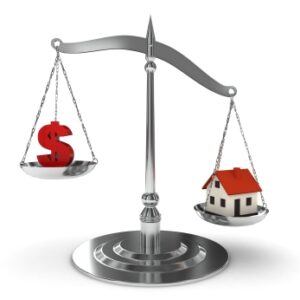
Why the appraised value can differ from the sale price
A sale price is created by the market on one particular day. A buyer may pay more because the property sits on a sought-after street, has a rare lot, is close to a preferred school, or meets a specific family need. Competitive offers can also push a price beyond the most comparable recent sales.
Consider how your home appraisal aligns with the local market trends.
An appraiser must support their conclusion with evidence. If comparable properties closed several months earlier, they may need to make adjustments for changing conditions. In a fast-moving market, that process can be challenging. In a more balanced market, sellers may face the opposite issue: a price based on optimistic asking figures rather than completed sales may be difficult to justify.
This does not mean a home appraisal is wrong when it comes in below the purchase price. Nor does it mean the purchase price is unreasonable. It means the lender sees a gap between its supported value and the agreed price, and the parties need a practical plan.
For example, a renovated detached home in south Guelph may attract strong attention for its finished basement, landscaped garden and proximity to amenities. If the closest recent sales lack those features, the appraiser must decide how much value those improvements add. Quality matters, but not every pound spent on an improvement translates directly into value.
Appraisals that underestimate value can lead to difficult conversations with buyers about the home appraisal results.
What appraisers tend to examine
Appraisers consider both the home itself and the setting around it. The strongest reports use recent comparable sales that are genuinely similar, rather than simply nearby. In Guelph, a home’s neighbourhood can materially affect the analysis. Properties in the Old University area, Kortright Hills, Pineridge, the East End, south Guelph or nearby Centre Wellington can have distinct buyer demand, housing styles and price patterns.
The physical details matter too. An appraiser will typically consider the home’s above-grade living area, number of bedrooms and bathrooms, age, condition, lot size, parking, garage space and functional layout. A legal secondary suite, a professionally finished basement or a major renovation may add value, provided it is properly documented and comparable evidence supports the adjustment.
Be ready to discuss findings from your home appraisal during negotiations.
Location can work both ways. Walkability, access to schools, parks and everyday amenities can strengthen appeal. Busy roads, unusual lot shapes, backing onto commercial uses or deferred maintenance can limit it. No single feature decides the outcome. The question is how the total package compares with other homes buyers had available at the time.
Improvements that help, and improvements that may not
Well-maintained kitchens and bathrooms, updated windows, sound roofing, modern mechanical systems and tasteful décor usually help a property compete. They can reduce buyer objections and support a stronger market position. However, an appraisal does not reimburse every renovation cost.
A highly personalised design choice, an expensive luxury finish in an otherwise modest home, or a project that removes useful living space may have less impact than expected. Sellers should view improvements through two lenses: how they improve buyer appeal and how clearly they can be supported against comparable sales.
Keep invoices, permits, warranties and a concise list of significant upgrades. These documents may not change the appraiser’s conclusion on their own, but they help demonstrate the age, quality and legitimacy of the work.

How sellers can prepare for a home appraisal
A tidy, accessible home makes it easier for an appraiser to see its features clearly. This is not about staging for emotion in the same way as an open house. It is about ensuring the condition and improvements are visible, safe and easy to inspect.
Before the appointment, make sure all rooms, the basement, utility areas, garage and exterior are accessible. Replace burnt-out bulbs, address small maintenance issues and clear access to the electrical panel, furnace, water heater and other major systems. If there are permits for additions, basement work or structural changes, have them available.
It is also helpful to prepare a short factual record of upgrades. Include the year of the work, the contractor where relevant, and whether permits were obtained. Avoid assigning your own value to every item. Let the evidence speak for itself.
Your representative can also provide relevant local comparable sales and context around the transaction. The appraiser is independent, so no one should attempt to pressure them towards a number. But accurate information about recent nearby sales, lot differences, renovations and market timing can help ensure the home appraisal is understood properly.
What happens if the appraisal is low?
A low appraisal does not automatically end a sale. The outcome depends on the financing terms, the buyer’s available funds and the contract conditions.
If the buyer’s lender will only finance based on the appraised value, the buyer may need to increase their down payment to cover the difference. The buyer and seller may also renegotiate the price, agree on another financing solution, or in some cases end the transaction if a financing condition cannot be satisfied.
Sellers should resist making decisions before understanding the full picture. Ask whether the report used appropriate comparables, whether a material feature was missed and whether the lender has a review process. A reconsideration may be possible where factual errors or better evidence exist, although a second opinion is never guaranteed to produce a higher result.
A clear understanding of your home appraisal can empower your negotiation strategy.
The best protection starts before the offer is accepted. A pricing recommendation built on current, hyperlocal sales data gives you a defensible position. It also helps you assess the strength of each offer beyond the headline price. A slightly lower offer with a larger deposit, a solid down payment and fewer financing concerns can sometimes carry less risk than the highest offer on paper.
Pricing with the appraisal in mind
A strong listing price should neither chase an inflated number nor leave value on the table through poor positioning. It should reflect the property’s condition, local buyer demand, competing homes and the evidence that a lender is likely to see.
That is particularly relevant when the market is changing. Recent sold data remains essential, but it needs interpretation. Are homes receiving price reductions? Are similar properties selling quickly? Is demand strongest for turnkey family homes, entry-level properties or homes with income potential? These details shape both the likely sale price and the appraisal risk.
Buyers often rely on the results of a home appraisal as a guiding factor in their offer.
Dean Manton’s local market guidance is designed to help sellers make those decisions with clarity. A free home evaluation can establish a realistic pricing range, identify preparation work worth considering and explain how your home compares with current Guelph-area competition.
A home appraisal should not be treated as a last-minute obstacle. When you understand the evidence behind value, prepare the property properly and choose a pricing strategy grounded in local sales, you are in a stronger position to negotiate with confidence and move on to your next home with fewer surprises.
Ultimately, a well-prepared home appraisal can lead to a smoother sale process.