
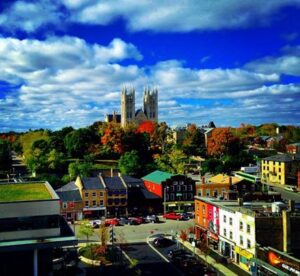
School run timing, weekend park access, how far the grocery shop is, whether the street feels calm after 7 pm – these are the details that usually matter more than granite worktops when families start narrowing down the best Guelph family neighbourhoods. The right area is rarely about finding the “perfect” postcode. It is about matching your budget, stage of life and day-to-day routine to a part of the city that actually works.
For family buyers in Guelph, that usually means balancing three things at once: housing type, nearby amenities and long-term value. Some neighbourhoods offer larger detached homes and quieter streets, while others make life easier with walkability, newer schools or faster access to commuter routes. There is no single winner for every household, but there are a handful of areas that consistently come up for good reason.
What makes the best Guelph family neighbourhoods?
A family-friendly neighbourhood is not just one with a playground nearby. In practice, buyers tend to look at school catchments, green space, traffic flow, recreation, access to shopping and how easy it is to get around on a busy weekday. Housing supply matters too. If an area mainly offers larger detached homes, it may suit move-up buyers more than first-time buyers. If it has a mix of townhouses and semis, it may offer a better entry point.
It also helps to think one step ahead. A neighbourhood that suits a toddler may not feel as practical once children are in school or activities start filling the calendar. That is why the strongest buying decisions come from looking beyond the house itself and considering how the wider area will support your family for the next five to ten years.
1. Pine Ridge/Westminster Woods
Westminster Woods is often high on the list for families because it offers a practical mix of newer homes, schools, parks and day-to-day convenience in the city’s south end. Buyers who want modern layouts, attached garages and neighbourhoods built with family living in mind tend to look here first.
The appeal is straightforward. You are close to schools, shopping and key roads, and many homes were designed for contemporary family life with open-plan main floors and more functional bedroom layouts. For families with active schedules, that convenience counts.
The trade-off is price and pace. This is a well-known area, so competition can be strong when the right home comes up. Some parts also feel busier than older neighbourhoods because of traffic and ongoing growth.
2. Kortright Hills
Kortright Hills has a strong reputation with families who want a quieter residential feel without being cut off from the rest of the city. It is known for mature landscaping, good access to trails and a setting that feels a little more tucked away.
This is often a good fit for buyers who value outdoor space and a calmer streetscape. Homes here vary, but many families are drawn to the more established feel compared with some newer subdivisions. It can feel less hectic, which matters if you want a neighbourhood where evening walks and bike rides are part of the routine.
The main consideration is inventory. Homes in sought-after pockets do not always come up in large numbers, so buyers may need patience. Depending on the exact location, you may also trade some walkability for a more residential setting.
3. Clairfields
These south-end neighbourhoods are popular for similar reasons: practical location, family-oriented housing stock and easy access to amenities. They tend to attract buyers who want relatively modern homes and straightforward commuting options.
There is a lot to like if your priority is efficiency. Shops, services and schools are close by, and the housing mix can suit a range of family stages. For buyers relocating within Guelph, these areas often feel familiar in the best way – easy to understand, easy to navigate and easy to live in.
If you are after character architecture or oversized lots, these may not be your first choice. The strength here is function. For many families, that is exactly the point.
4. Old University
Old University is one of the more established and consistently admired family areas in Guelph. It tends to appeal to buyers who want mature trees, larger lots in some pockets and a neighbourhood feel that has held its value over time.
There is a different kind of confidence in older, established areas. Streets often feel settled, landscaping is mature and homes can offer more individuality than newer-build districts. For families who prioritise atmosphere as much as square footage, Old University deserves attention.
That said, homes here can come at a premium, especially for updated properties in prime locations. Older homes may also bring maintenance considerations. Charm is valuable, but it is still important to assess roofing, windows, heating systems and renovation quality with clear eyes.
5. The Ward
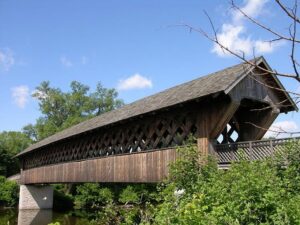
The Ward will not suit every family, but for the right buyer it offers something increasingly hard to find: character, community feel and relative proximity to the city core. It has been changing steadily, and some families are drawn to its sense of identity and the mix of housing options.
If you want a neighbourhood that feels less uniform and more rooted in Guelph’s history, this area can be worth a serious look. There is personality here, and for buyers who value access to downtown amenities, that can be a major plus.
The trade-off is that block-by-block differences matter more. One street may feel very different from the next, and housing condition can vary. This is an area where local guidance really matters during the search.
6. Grange Hill East
Grange Hill East is often considered by families looking for a practical balance between price, space and neighbourhood amenities. It offers a mix of housing styles, and for some buyers it can provide more attainable options than the south end while still delivering the essentials families need.
Parks, schools and residential streets make it a sensible choice, especially for buyers moving up from a smaller property. The area has broadened in appeal as more families look beyond the obvious neighbourhood names and focus on value.
Not every pocket feels the same, so it is worth comparing specific streets and home types carefully. Some sections will suit young families better than others depending on traffic patterns and walkability.
7. Exhibition Park
For families who love older homes, green space and a central location, Exhibition Park has enduring appeal. The park itself is a major draw, and the surrounding area offers a blend of established homes and a strong neighbourhood identity.
This area often attracts buyers who want more than just a house. They want a setting with character, community events and the kind of streets that feel memorable. It can be especially attractive for families who prefer older city neighbourhoods over newer subdivisions.
The catch is that central, character-rich areas rarely come cheap. Renovation needs can also be part of the package. If you buy here, you are often paying for location and feel as much as floor plan.
8. Eastview and surrounding east-end pockets
The east end can be a smart option for families who want good everyday functionality without stretching for some of the city’s highest-priced neighbourhoods. Eastview and nearby pockets are worth considering if value matters, but you still want access to schools, parks and a family-oriented setting.
These areas may not always get the same attention as the south end, but that can create opportunity. Buyers willing to look closely often find solid housing choices and neighbourhoods that support family life well.
As always, micro-location matters. Some homes back on to busier roads or sit farther from the amenities a family uses most often, so a broad area search should quickly narrow to the right pockets.
How to choose the right family neighbourhood in Guelph
The best approach is to start with your non-negotiables, then test neighbourhoods against real life rather than ideal life. If both adults commute, road access may matter more than the biggest back garden. If your children are small, parks and pavement-friendly streets may outweigh being near secondary schools. If you are buying for the next ten years, flexibility in the home and area becomes more important than cosmetic finish.
It also helps to separate needs from assumptions. Some buyers begin by targeting only one or two headline neighbourhoods, then discover better value and equal lifestyle fit elsewhere. Others realise that stretching for a favourite area means compromising too heavily on house size or condition. The smartest move is to compare homes and neighbourhoods together, not in isolation.
In a market like Guelph, local insight gives buyers an unfair advantage. Two homes at similar price points can offer very different long-term value depending on school proximity, resale appeal, street position and the pace of neighbourhood turnover. That is where on-the-ground guidance matters more than broad online searches.
If you are weighing up the best Guelph family neighbourhoods, the goal is not to chase the most talked-about area. It is to find the part of the city where your family can settle comfortably, move confidently and still feel good about the decision years from now.
Questions about Guelph neighbourhoods? Call Dean Manton, your Guelph Realtor since 1998